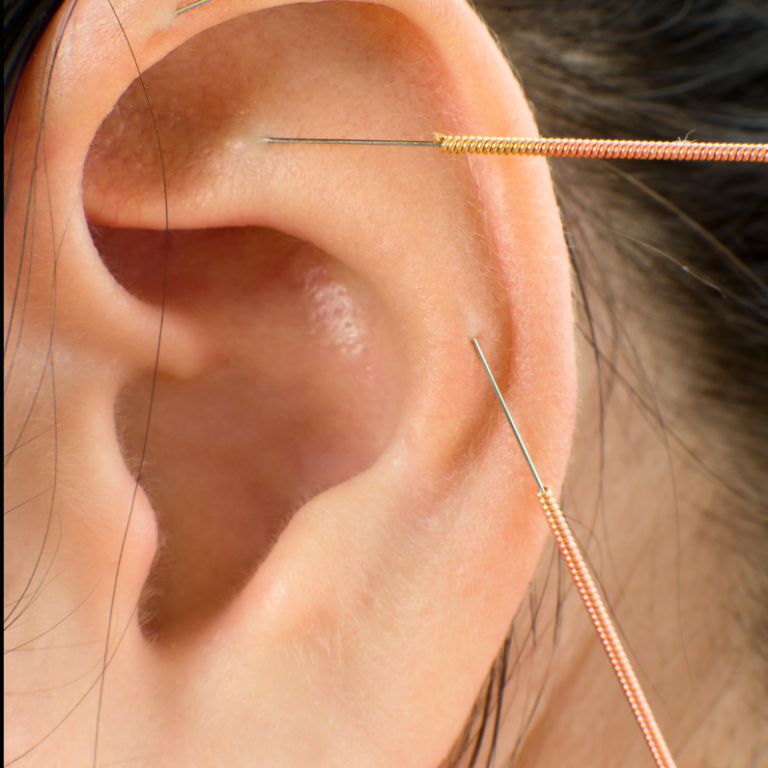
What is Acupuncture?
Acupuncture originated in China approximately 2,500 years ago. Over time it has been developed, tested, researched and refined, and is now widely used by growing numbers of people across the West. Without the benefit of modern scientific equipment, early practitioners made detailed observations about the body and its patterns of health and illness that continue to influence both traditional practice and modern research today.
There is a growing body of evidence-based clinical research exploring how the body responds to acupuncture and its benefits for a wide range of common health conditions.
Modern studies suggest that acupuncture can influence the nervous system, stimulate the release of natural pain-relieving chemicals such as endorphins, and support the regulation of processes involved in inflammation, circulation and stress responses.
Why choose Acupuncture?
Acupuncture is a gentle, holistic treatment that uses very fine needles placed at specific points on the body to support your body’s natural healing response and help restore balance.
It can be helpful for a wide range of both physical and emotional concerns. In the UK, the National Institute for Health and Care Excellence (NICE) recommends acupuncture for conditions such as chronic pain, migraines, and tension-type headaches, and it is also widely used within NHS pain services as part of long-term pain management.
Research also suggests acupuncture may be helpful for conditions such as anxiety, low mood, sleep problems, hormonal changes, menopause symptoms, musculoskeletal pain, and digestive issues.
In clinic, people commonly come for support with:
- Muscle and joint pain, including osteoarthritis, back pain, and sciatica
- Headaches and migraines
- Stress, anxiety, burnout, and emotional overwhelm
- Fatigue and low energy
- Sleep difficulties
- Menstrual cycle issues, fertility support, and menopause symptoms
- Digestive discomfort
- Recovery support alongside medical treatment, including fatigue, nausea, and pain
Acupuncture takes a whole-body approach. Rather than only focusing on the symptom itself, treatment also considers what may be contributing to the imbalance underneath. This is why many people notice improvements not only in their main concern, but also in their overall sense of wellbeing.
Some people come with a clear diagnosis, while others come because they feel “not quite right” and want support in restoring balance.
Many also choose to continue with regular acupuncture because they find it grounding, supportive, and deeply relaxing, and it helps them maintain better overall health and resilience over time.
Five Element Acupuncture
Five Element Acupuncture is a traditional style of acupuncture that focuses on treating the person as a whole, rather than just individual symptoms.
Five Element Acupuncture places particular emphasis on identifying a person’s underlying constitutional balance through the Five Elements - Wood, Fire, Earth, Metal and Water - and working at this root level to support resilience, clarity and overall health.
It recognises that physical symptoms, emotional wellbeing and overall vitality are closely connected, and that restoring balance at a deeper level can support lasting change in health.
In this approach, symptoms are understood as part of a wider pattern within the body, mind and spirit.
Treatment involves the gentle insertion of very fine needles into carefully selected acupuncture points to encourage balance within the body’s natural systems. Traditionally this process is described in terms of supporting the flow of qi (vital energy) through channels known as meridians.
For many people, treatment brings relief from specific symptoms as well as a deeper sense of stability, calm and connection with their wellbeing over time.
How Does Acupuncture Work?
From a Western point-of-view, Acupuncture works by interacting with the body’s nervous system and natural healing processes.
When very fine needles are placed at specific points, they send signals through the nervous system to the brain and spinal cord. This can help to regulate how the body processes pain, reduce the “stress response,” and encourage a shift into a calmer, more restorative state where healing can take place more effectively.
Acupuncture has been shown to stimulate the release of the body’s own natural chemicals, including endorphins (the body’s natural pain-relieving and mood-supporting chemicals) and other neurotransmitters that help to reduce pain and promote relaxation.
It can also influence circulation, helping to improve blood flow to areas of tension or injury, which supports the body’s repair and recovery processes.
From a traditional Chinese medicine perspective, acupuncture also works by helping to restore balance within the body’s systems, supporting the smooth flow of energy (Qi) and overall wellbeing.
In simple terms, acupuncture helps to calm the nervous system, reduce pain signals, and support the body’s own ability to heal and rebalance itself.
Your First Treatment
Your first appointment (one-to-one) can last up to 90 minutes and includes a detailed consultation covering your health history, lifestyle, sleep, digestion and current concerns. This helps build a clear picture of your overall wellbeing.
Additonally, I will carry out a few simple, non-invasive diagnostic observations such as pulse assessment and temperature distribution.
Follow-up appointments last up to one hour and include time to review your progress as treatment continues.
During Your Session
Treatment involves the gentle insertion of very fine needles into specific points on the body. Some needles are inserted briefly, while others may remain in place for a short period as you rest.
Acupuncture needles are extremely fine - about the thickness of two human hairs - and are usually only lightly felt as they are inserted. You may notice a brief dull sensation at some points, which typically passes quickly.
In many treatments, I will also combine acupuncture with moxibustion (often known as moxa). This is a traditional technique that delivers a gentle warming effect, using the herb Artemisia vulgaris (mugwort), when applied to specific acupuncture points.
This warming therapy helps support circulation and strengthen the body’s natural energy. Moxa can be particularly beneficial in cases of coldness, fatigue, or low vitality. When appropriate, it may be incorporated into your treatment to enhance and complement the overall effects of acupuncture.
Please see the section below for other adjunctive techniques that may also be used during your treatment.
After Care & What To Expect
Most people find acupuncture deeply relaxing, and it is common to feel calm, lighter, or slightly tired after treatment, particularly after your first session. If possible, it can be helpful to plan a quieter day afterwards to give your body time to adjust.
Occasionally, people may notice short-term changes after treatment. This can include things such as increased tiredness, emotional release, mild changes in symptoms, or a temporary flare in the area being treated. These responses are usually mild and short-lived.
In traditional Chinese medicine, this is sometimes described as the “law of healing” - the idea that the body may go through a brief period of adjustment as it begins to rebalance and shift patterns that have been held for some time. Not everyone experiences this, but if you do, it is generally a sign that the body is responding and processing the treatment.
Aftercare tips:
- Drink plenty of water after your session
- Avoid alcohol and limit caffeine for the rest of the day if possible
- Eat lightly and listen to your appetite
- Avoid strenuous exercise immediately afterwards where you can
- Give yourself space to rest and integrate the effects of treatment
If you ever experience anything unexpected or are unsure how you’re feeling after a treatment, you are always welcome to get in touch for advice or reassurance.
Cupping, Gua-Sha & Auricula Acupucture
Adjunctive Treatment Methods That Complement Acupuncture and Support the Healing Process
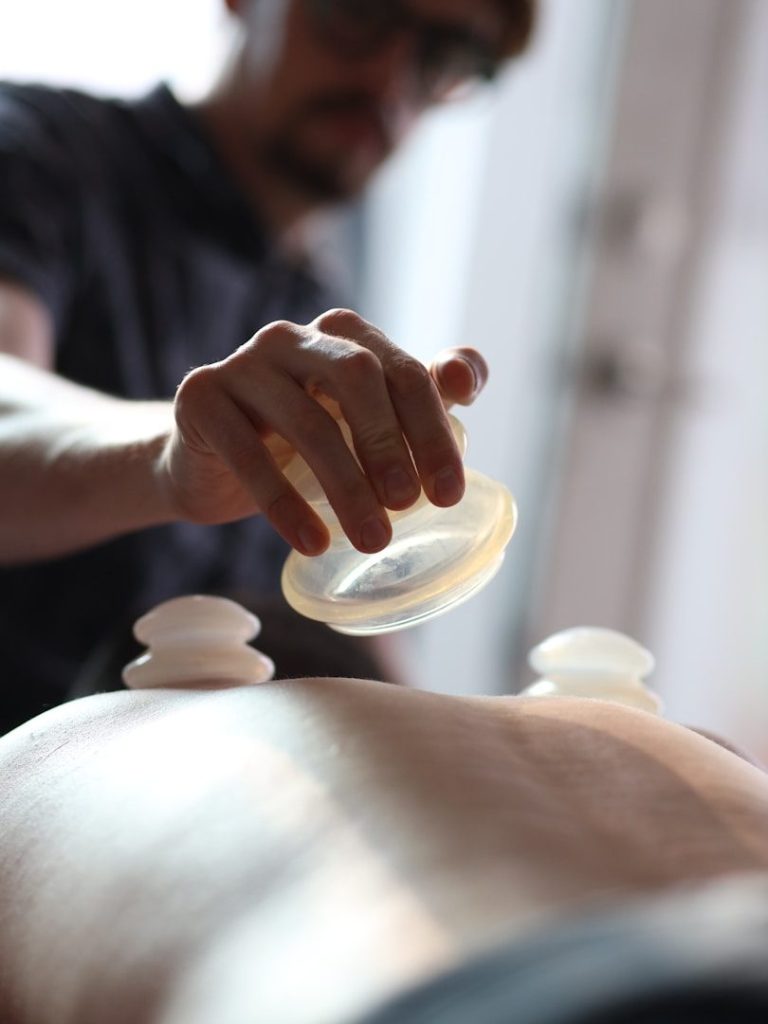
Cupping Therapy
Cupping is a therapeutic technique that can be used alongside acupuncture. It can also be a standalone treatment - contact for more details.
It isn't generally painful, however you may experience a gentle pulling sensation on the skin as suction draws the skin and superficial muscle layers upward into the cup, helping to release stagnation in the area.
After treatment, it is common to see circular marks resembling bruises where the cups were applied. This is completely normal and not a cause for concern.
Research shows that no blood vessels are damaged and no muscle tissue is traumatised during the process. The marks are simply an indication of increased circulation to the area, which supports the body’s natural healing response.
Benefits of cupping include:
- Encouraging healthy circulation
- Lifting, separating, and hydrating muscle tissues
- Helping to clear inflammation, congestion, and stagnation in the skin, muscles, bones, joints, and organs
- Reducing pain and releasing muscular tension
- Supporting tissue repair and encouraging the body’s natural regeneration process
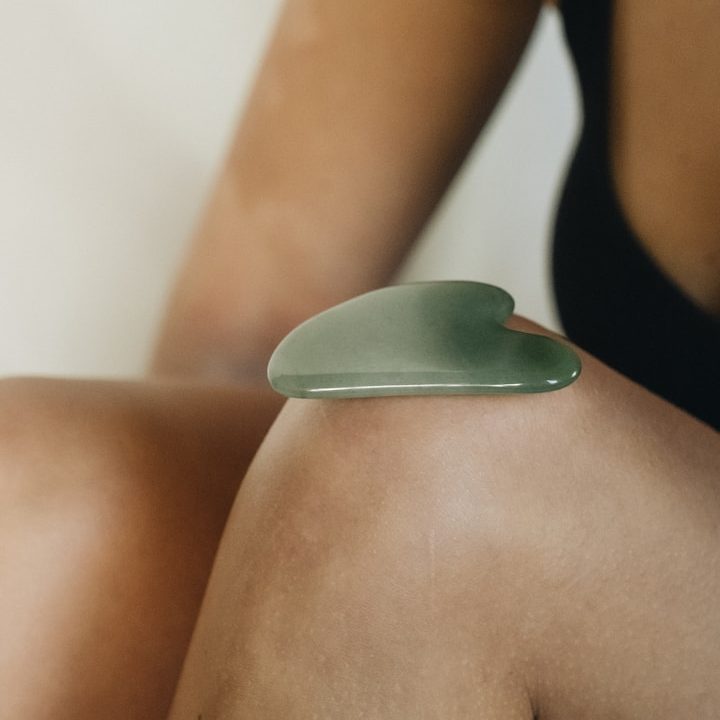
Gua Sha
Gua sha is a traditional Chinese therapy that involves gently scraping the skin with a smooth-edged tool. This technique is used to help encourage circulation and support the release of stagnation within the body.
After treatment, you may notice small red or raised spots appearing on the skin - these are known as petechiae. They aren't painful and are not a cause for concern; instead, they are a normal response that indicates increased circulation and the release of tension in the area.
Gua sha may be helpful for a range of conditions, including:
- Headaches and migraines
- Neck and shoulder tension or pain
- Frozen shoulder
- Back pain
- Soft tissue injuries
- Scoliosis
- Tennis elbow and golfer’s elbow
- Respiratory issues, such as congestion or difficulty breathing
- Colds and upper respiratory infections
- Ongoing fatigue or symptoms associated with long COVID
Auricular Acupuncture
At times, auricular acupuncture may be used in conjunction with body acupuncture points to enhance the overall effectiveness of your treatment.
This approach involves stimulating specific points on the ear that are believed to correspond with different areas of the body and can be supportive in addressing a range of concerns, including:
- Smoking cessation
- Weight management and overeating
- Insomnia and sleep disturbances
- Gaming or gambling addiction
- Substance dependence, including drugs and alcohol